Introduction
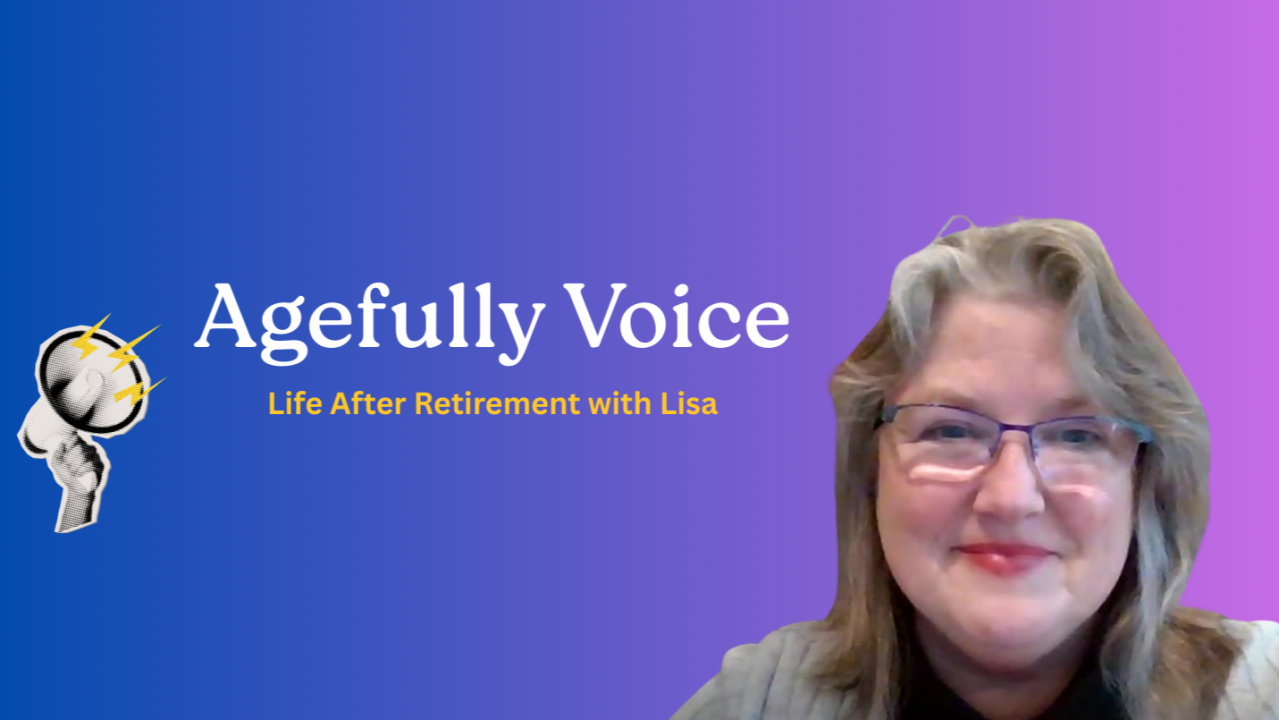
Retirement can be a transformative chapter—less about slowing down and more about redefining purpose, connection, and daily rhythm. In a recent podcast, Lisa shares her first year of retirement and what it truly means to build community, face health challenges, and stay engaged with the world. Her story reminds us that the choices we make about connection and participation shape how we experience aging.
Lisa’s background and retirement journey
At 63, after a busy work life, Lisa stepped into retirement with intention. As an only child with extended family far away, she chose to build a “family of friends” who show up in meaningful ways. With fewer traditional supports but a strong network, she actively seeks communities that bring energy, conversation, and purpose into her everyday life.
Health challenges and a turn toward advocacy
During the pandemic, Lisa was diagnosed with ovarian cancer. She went through treatment supported by close friends who became her primary emotional and practical anchors. That experience moved her to join the advocacy arm of the American Cancer Society, where she pushes for increased research funding, stronger policies for under-resourced and underinsured communities, and broader awareness of the realities facing people going through cancer. For Lisa, advocacy isn’t just policy—it’s community and a way to turn personal challenge into something that helps others.
Community engagement as an antidote to loneliness
Lisa is clear-eyed about aging: many older adults feel lonely even when people are nearby. To guard against isolation, she stays active—working as a poll worker during elections, singing in a rock chorus, and attending local events where she’ll see familiar faces. These aren’t just hobbies; they’re lifelines that create touchpoints of connection, routine, and belonging, supporting mental and emotional well-being.
The real cost of disconnection
Loneliness isn’t only an emotion—it can be a health risk. Research has compared chronic isolation to smoking 15 cigarettes a day. Lisa has seen friends withdraw and decline over time, reinforcing a simple lesson: if we don’t intentionally maintain and grow our connections as we age, they shrink on their own. Relationships don’t happen by accident—they’re a practice.
Seeking depth, not just small talk
Surface-level interaction doesn’t satisfy Lisa. She gravitates toward spaces where people think, question, and share honestly—like philosophy discussion groups and communities built around meaningful conversation. These deeper connections keep her intellectually engaged, broaden her perspective, and help her feel truly seen. Her example invites others to ask where they feel most alive and where they can have the conversations they crave.
Conclusion
Lisa’s story is a vivid picture of aging with intention. She transformed a health crisis into advocacy, made community involvement central to her well-being, and chose deeper relationships over isolation. It’s never too late to build new routines, join new communities, and redefine what this stage of life can be.
A quiet note about Agefully
Stories like Lisa’s are at the heart of Agefully. Many older adults want more structure in their days, gentle check-ins, and easier ways to stay connected, but don’t always know where to start. Agefully offers simple, human-centered support: regular check-ins, guidance for a calm daily rhythm, and small group activities that add moments of joy and anticipation. Families also gain peace of mind knowing there’s an extra layer of support.
If this resonates with you or someone you love, learn more at Agefully.ai, or keep Agefully in mind as you consider what support and community could look like in your next chapter.